yeh is-WAH h’reh: People of the River
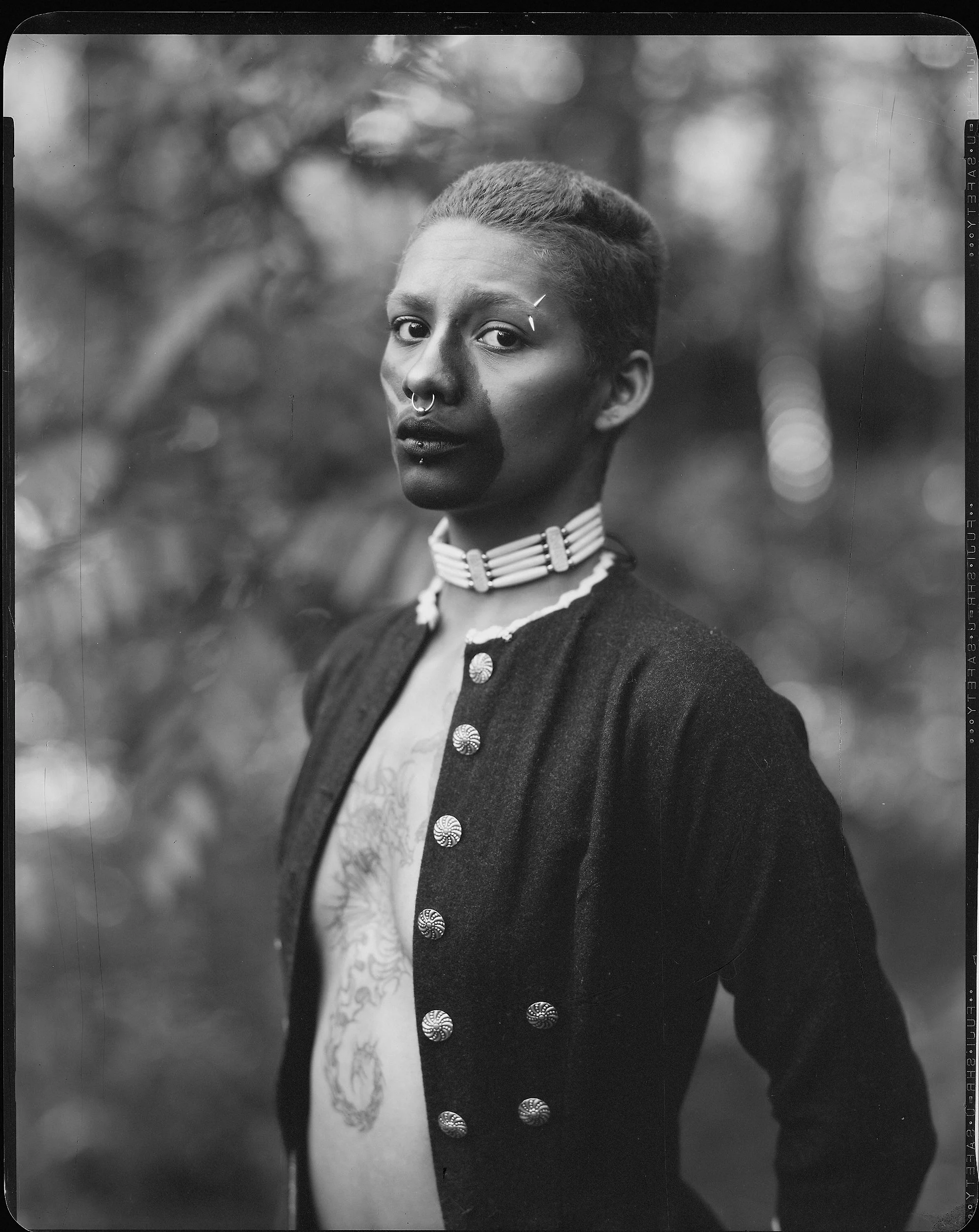
When Teyani approached me to create a photograph that reflected her culture as a Catawba person, I knew the visual language had to carry the immense depth of her history.
The Catawba people call themselves the yeh is-WAH h’reh, meaning “people of the river.” Long before colonists arrived in the Catawba River Valley in what is now South Carolina and generalized the surrounding tribes under a single name, these people were deeply tied to the waterways and the earth beneath them.
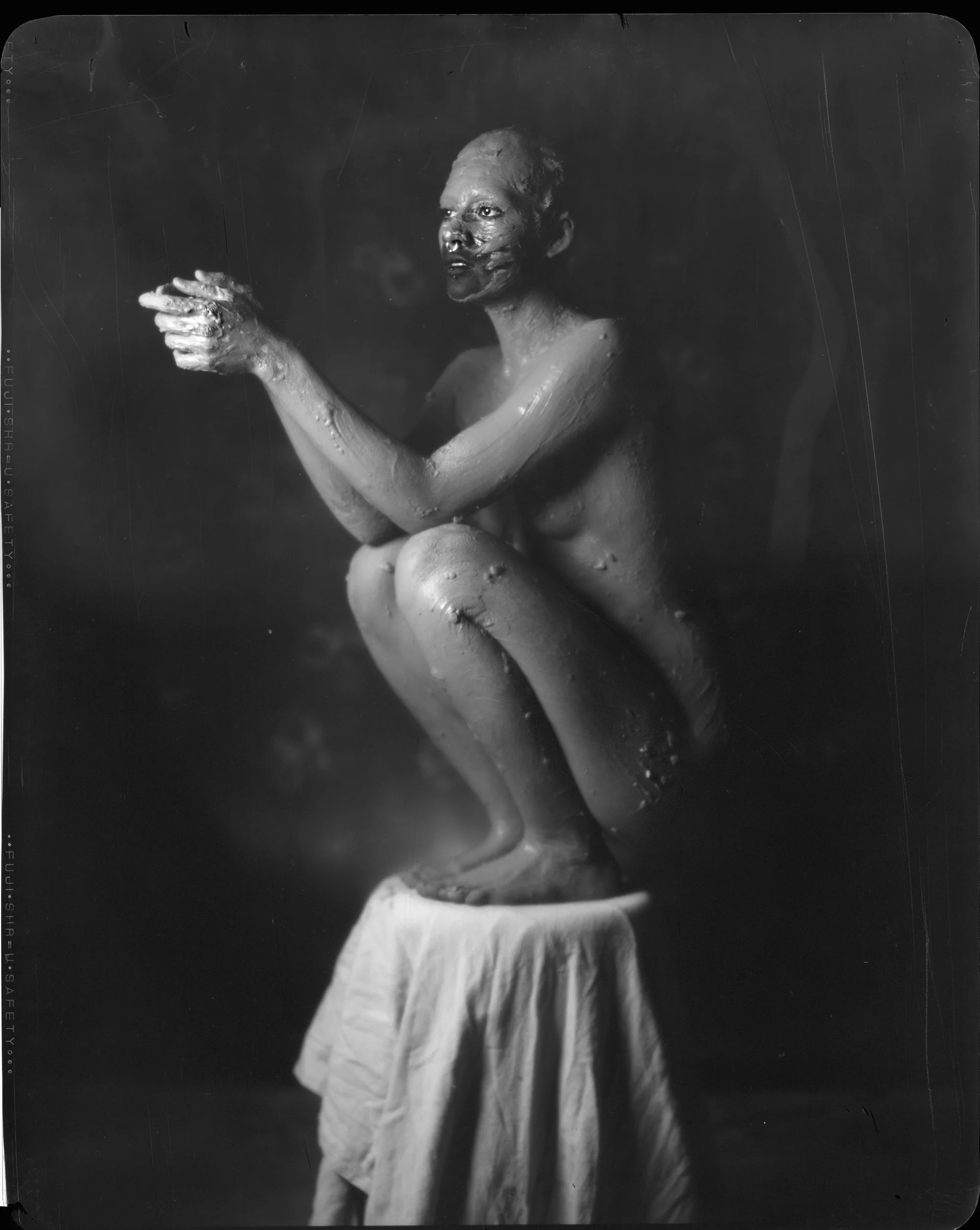
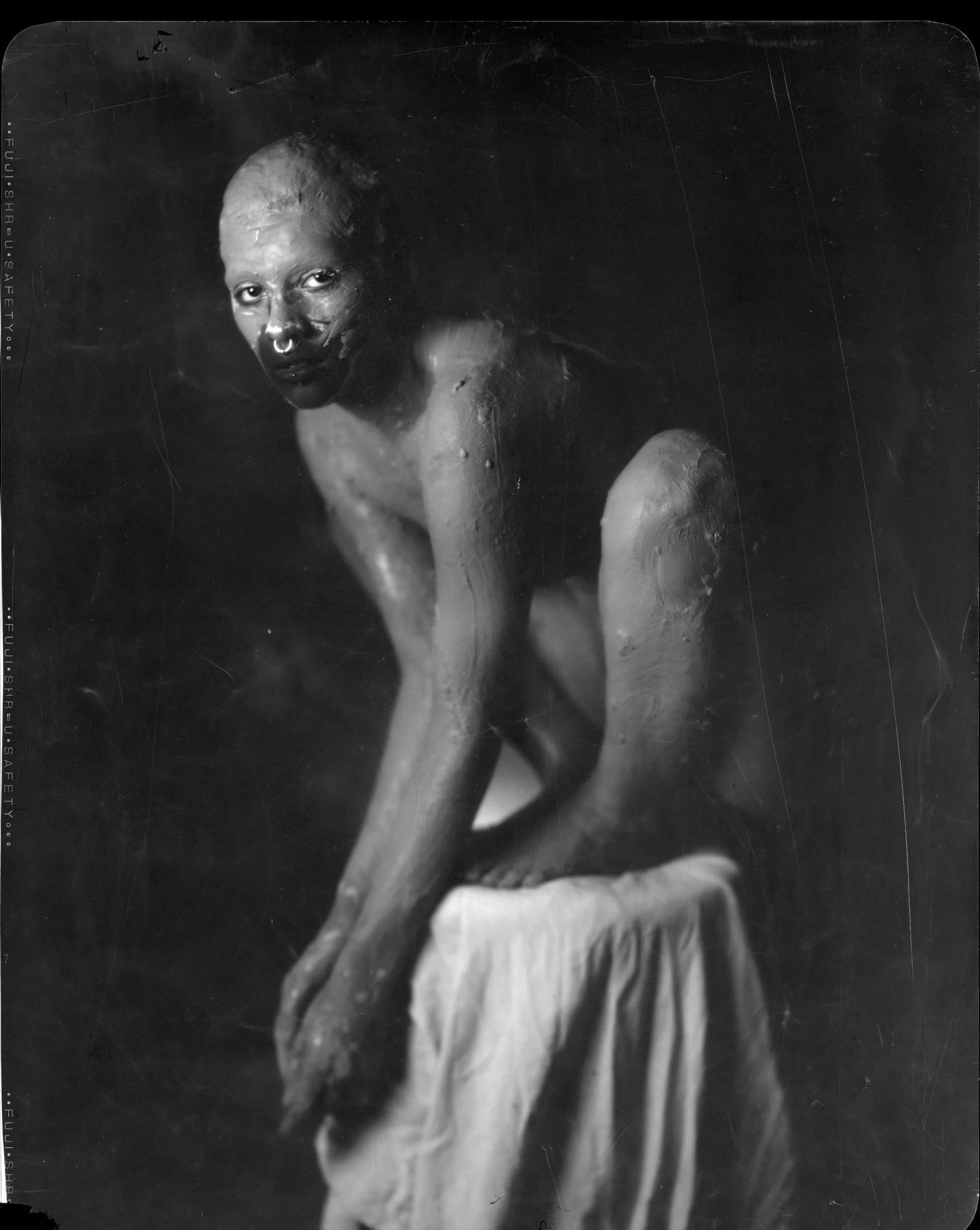
Central to their culture is a rich, centuries-old tradition of pottery. The Catawba people are known for their incredible clay works, hand-built from the clay of the riverbanks. It was this deep artistic and historical lineage that dictated the direction of the end of our our session.
Because of this profound connection to the earth, covering Teyani entirely in clay became the ultimate metaphor. It transformed her from a portrait subject into a living monument, a human vessel of history cast in the very medium her ancestors have shaped for generations.
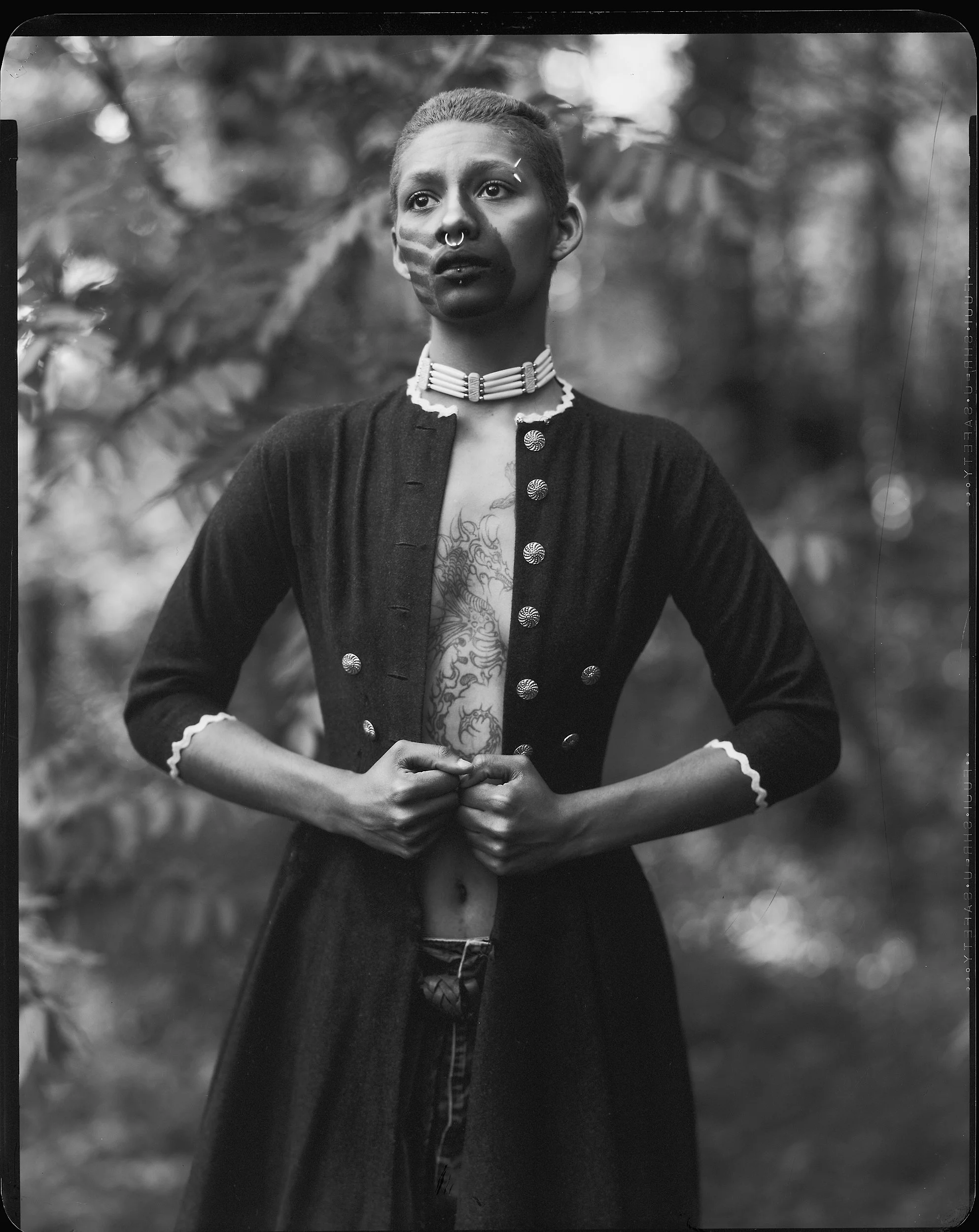
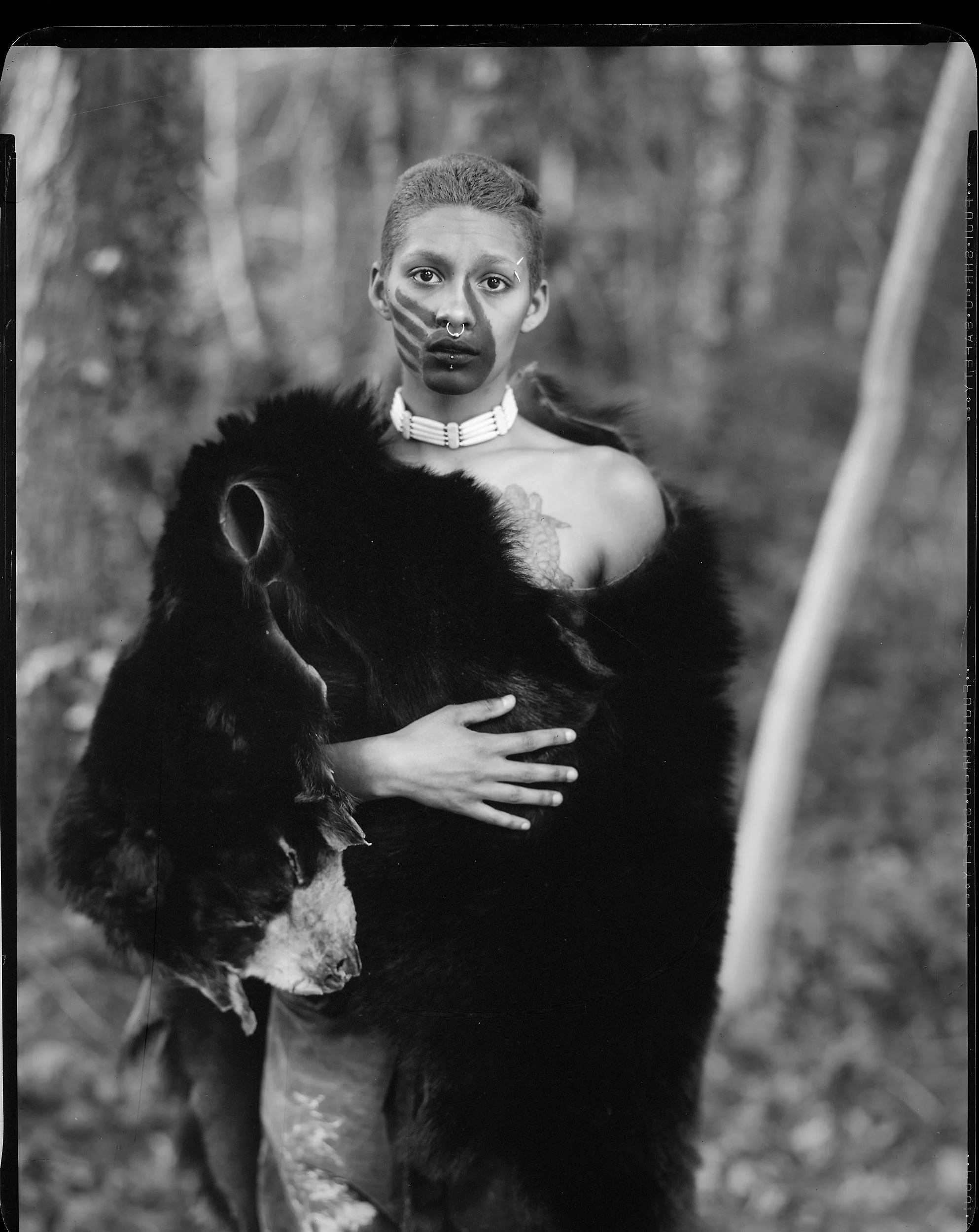
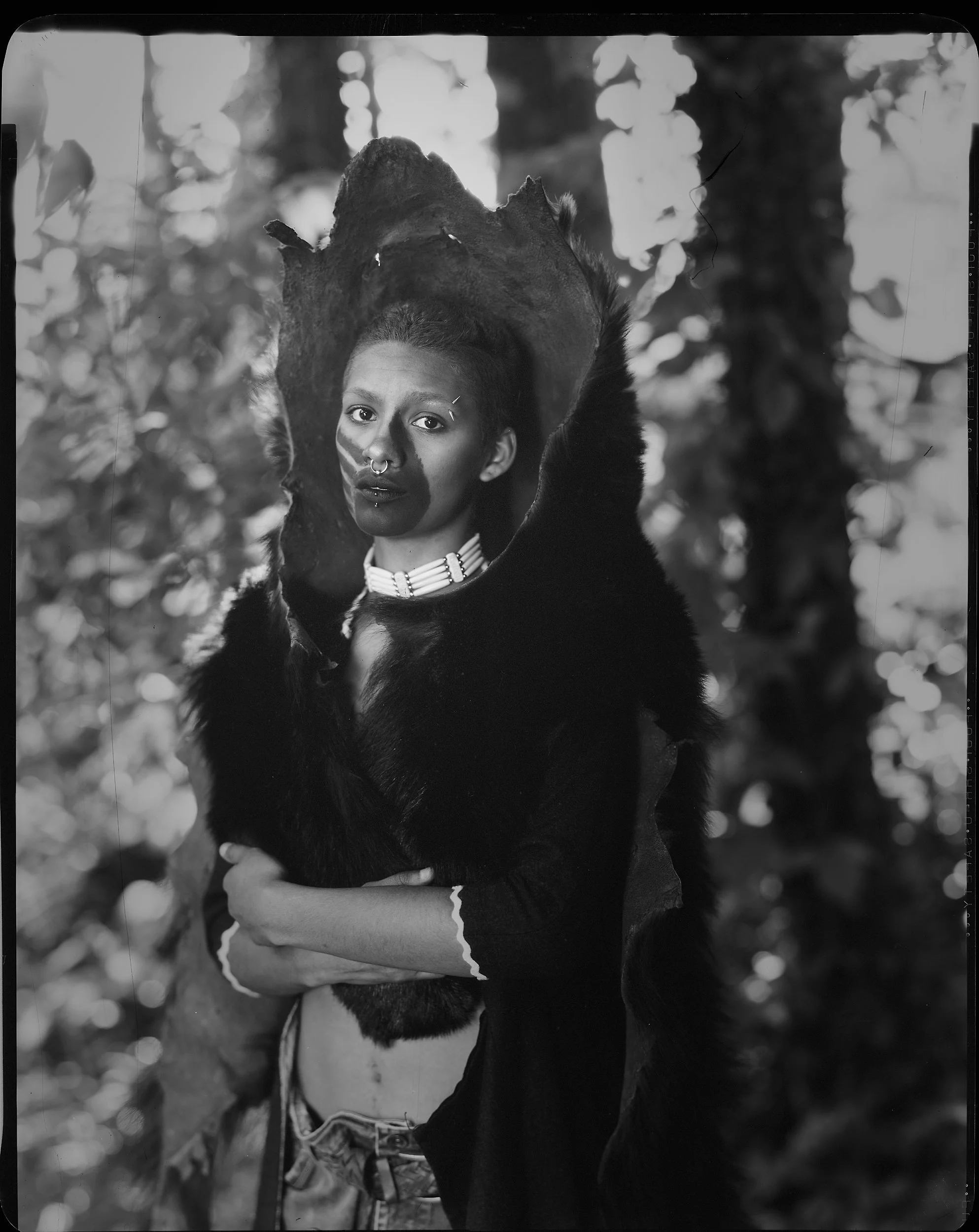
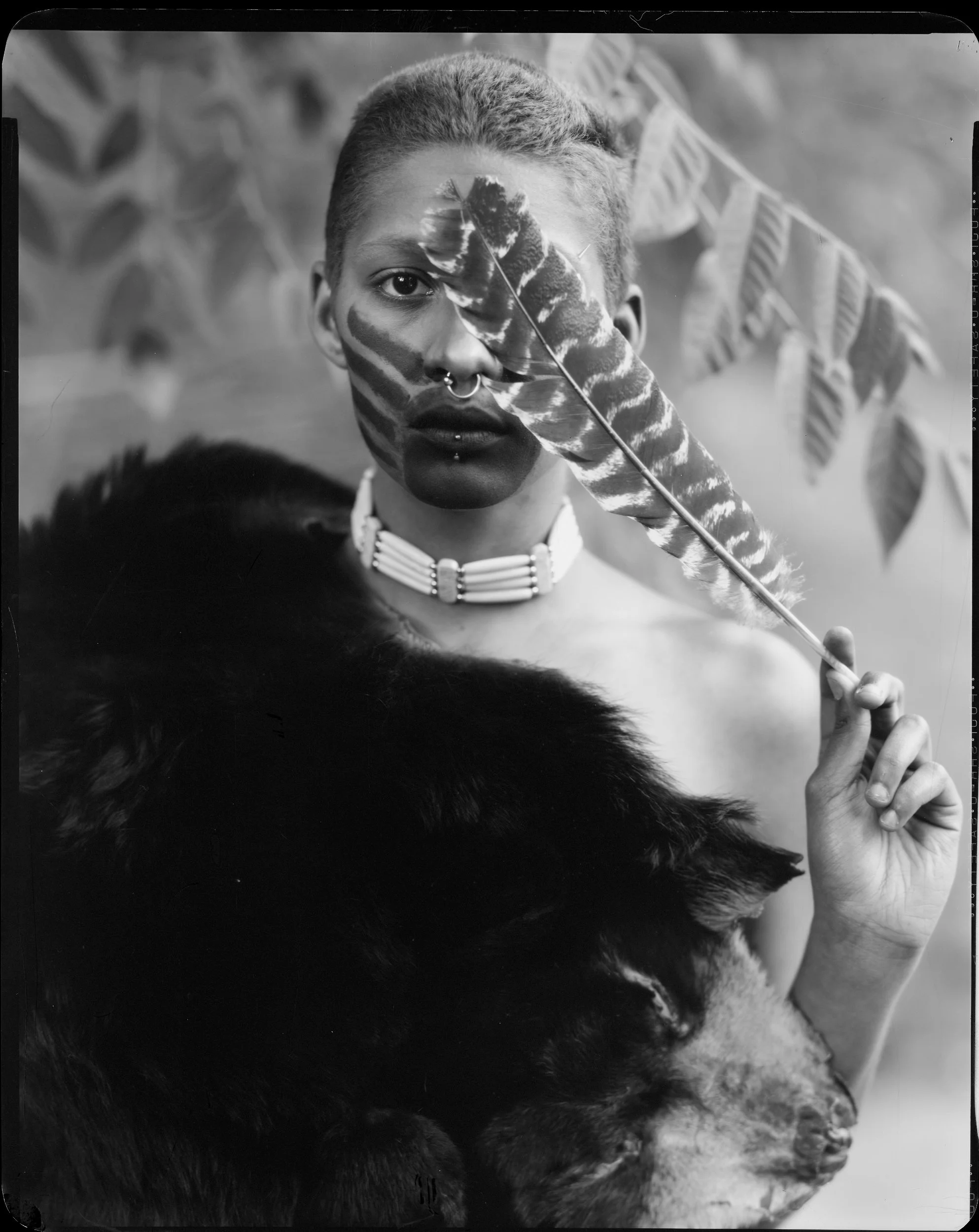
Through the bellows of my vintage 8x10 Deardorff view camera and a historic Voigtländer Heliar lens, Teyani stands fiercely. The shallow depth of field of this medium pulls her into an existence that can not be ignored. She carries the weight of her history, adorned in her "BirthBear" and her family’s jewelry.
But center to the contemporary reality of Indigenous women today is the red handprint painted over her mouth, the indelible symbol of the MMIW (Missing and Murdered Indigenous Women) movement. It is a heavy reminder that while we honor history, the fight for visibility, safety, and justice is actively happening right now.
These photographs are the result of that convergence: earth, river, history, and a shared moment of visual storytelling. I am honored to have made these.
Thank you for taking the time to experience this. Have a thought, comment or question? Leave a comment below. I would love to hear from you.